Optimal Timing for Dog Fence Installations
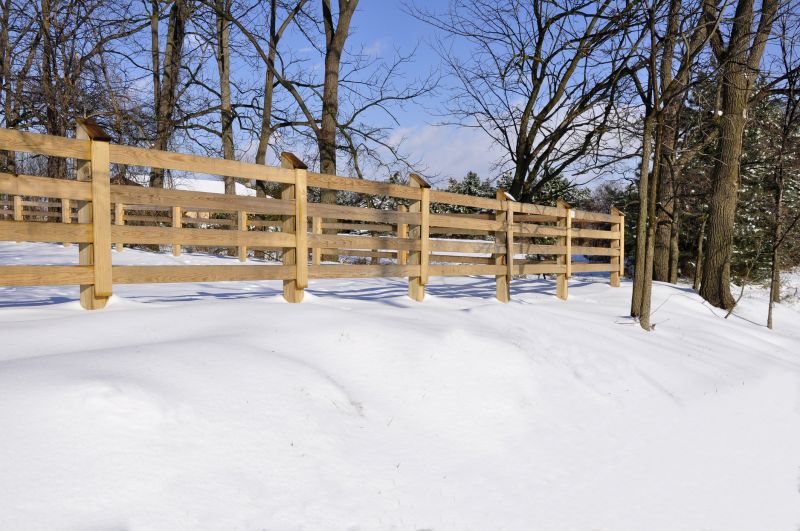
Spring offers moderate temperatures and stable weather, making it ideal for fence installation projects.
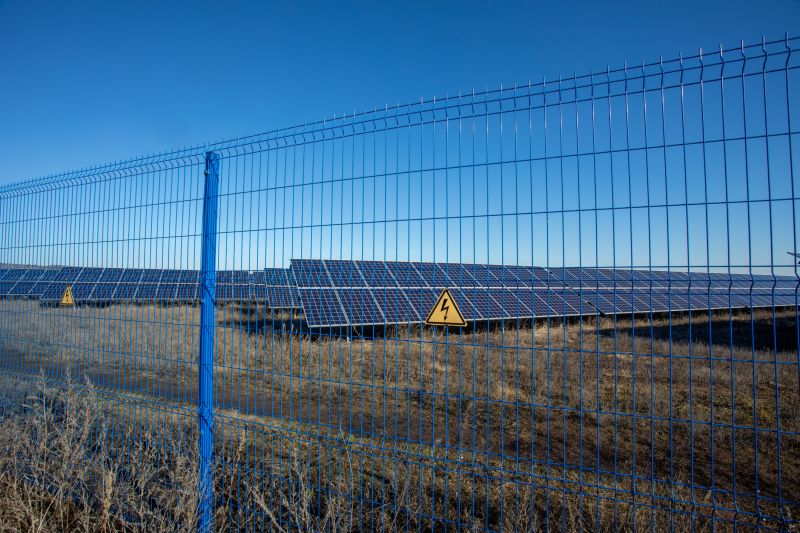
Summer provides longer daylight hours, but high temperatures can affect installation conditions and materials.
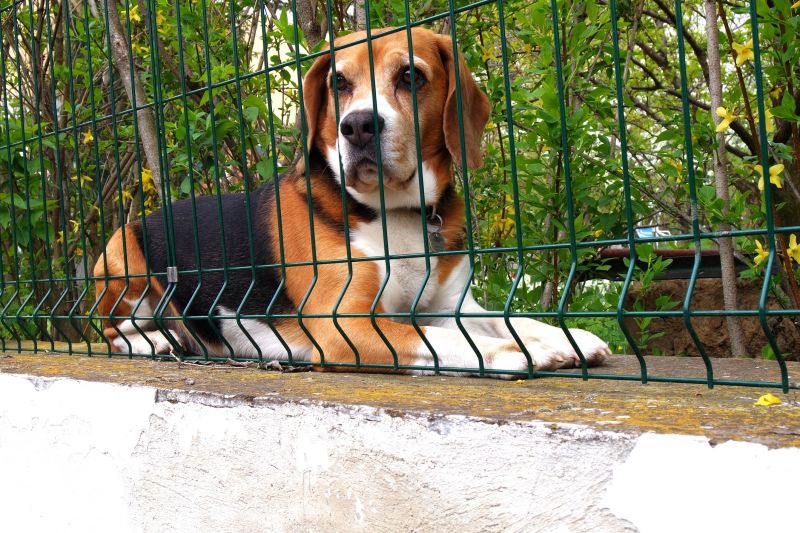
Fall's cooler temperatures and dry weather can facilitate efficient installation before winter.
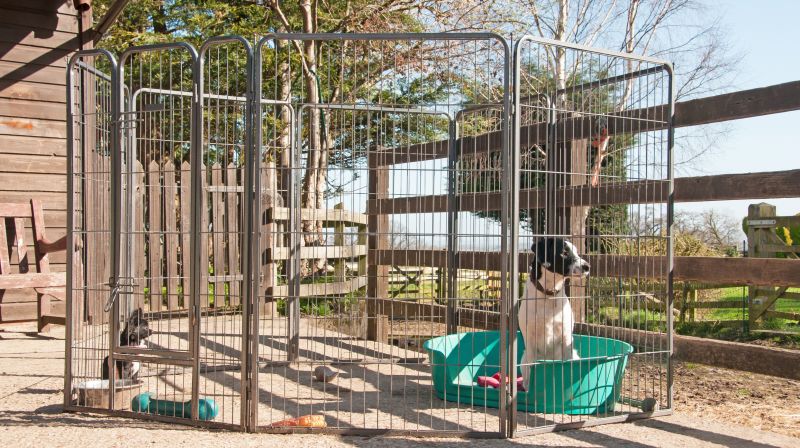
Ways to make Dog Fence Installations work in tight or awkward layouts.
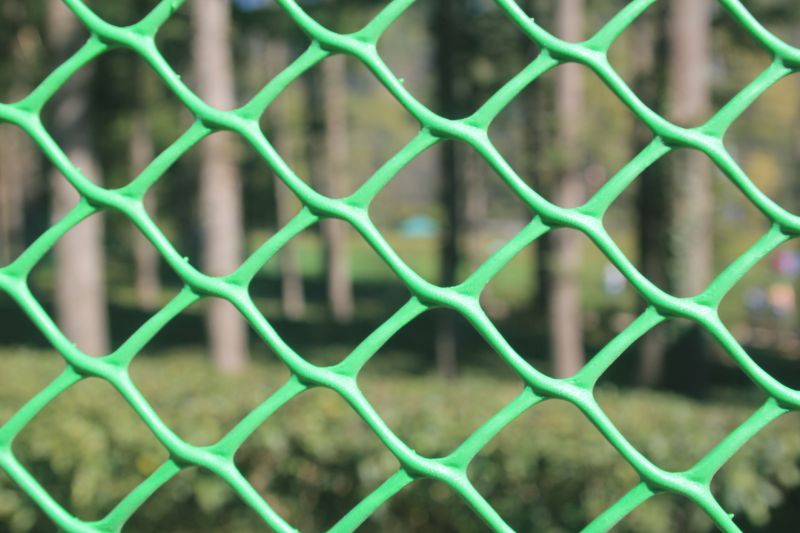
Popular materials for Dog Fence Installations and why they hold up over time.
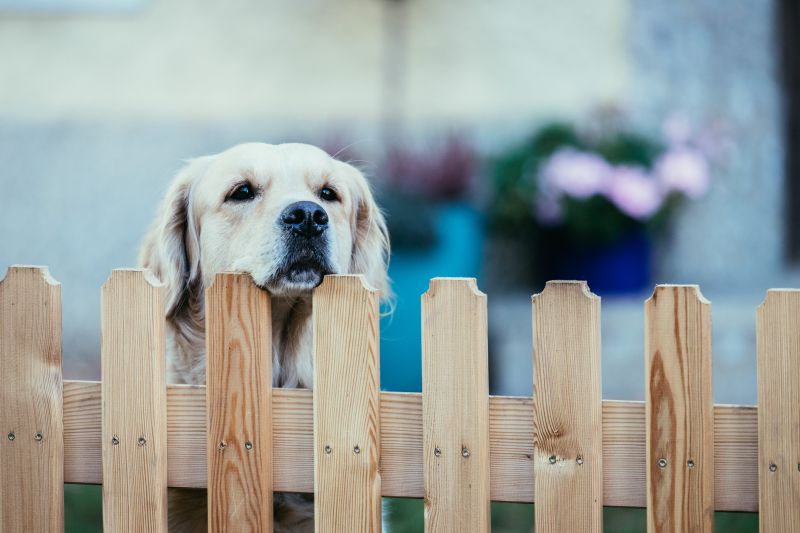
Simple add-ons that improve Dog Fence Installations without blowing the budget.
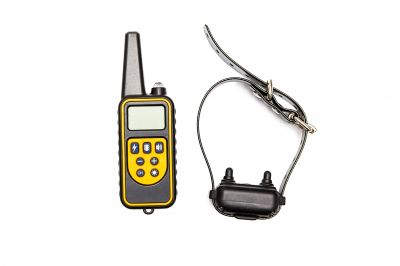
High-end options that actually feel worth it for Dog Fence Installations.
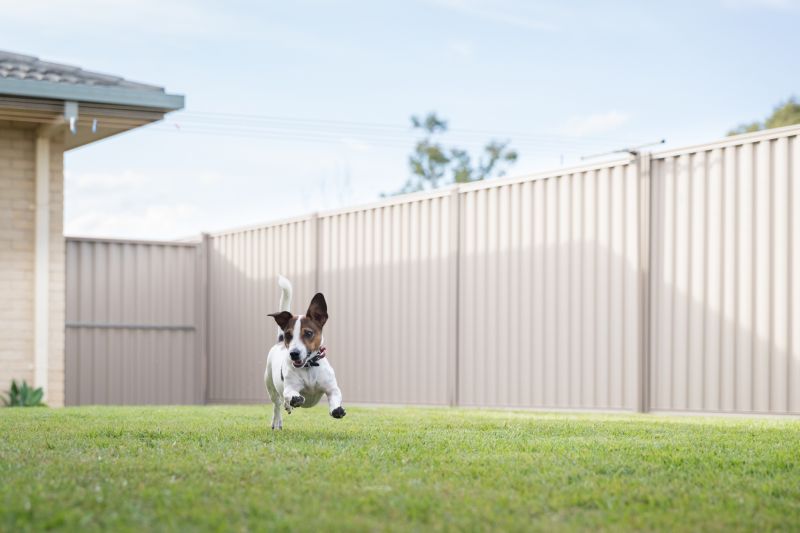
Finishes and colors that play nicely with Dog Fence Installations.
Dog fence installations are critical for ensuring safety and containment for pets. The timing of installation can influence the quality and durability of the fence. Optimal periods typically depend on climate conditions, with moderate weather reducing the risk of delays or issues related to extreme temperatures or precipitation.
Statistics indicate that approximately 65% of dog owners prefer installing fences during spring and fall, due to favorable weather conditions. Proper planning during these times can lead to quicker setup and longer-lasting results, minimizing potential disruptions caused by weather-related complications.
Weather plays a significant role; dry, mild days are best for excavation and setting posts.
Installing in moderate temperatures helps prevent material warping or cracking.
Early planning in spring or fall can avoid peak summer heat or winter cold disruptions.
Weather conditions can impact project timelines, with ideal periods reducing delays.
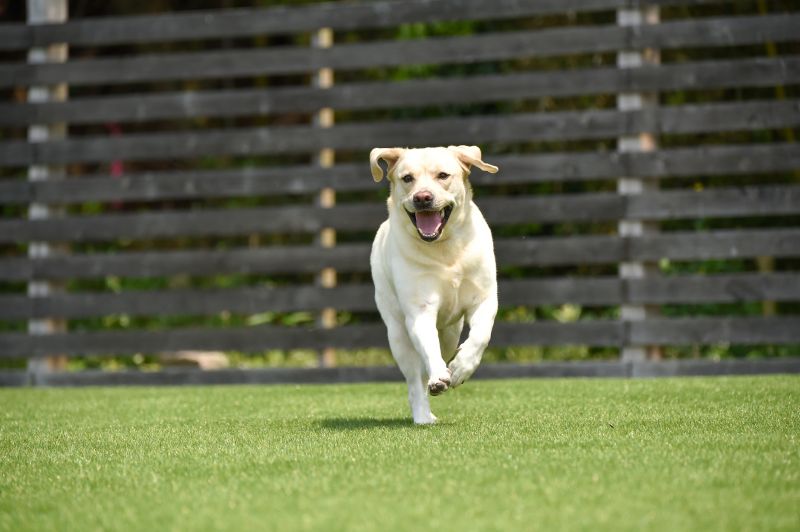
Spring's moderate weather allows for efficient and durable fence setup.
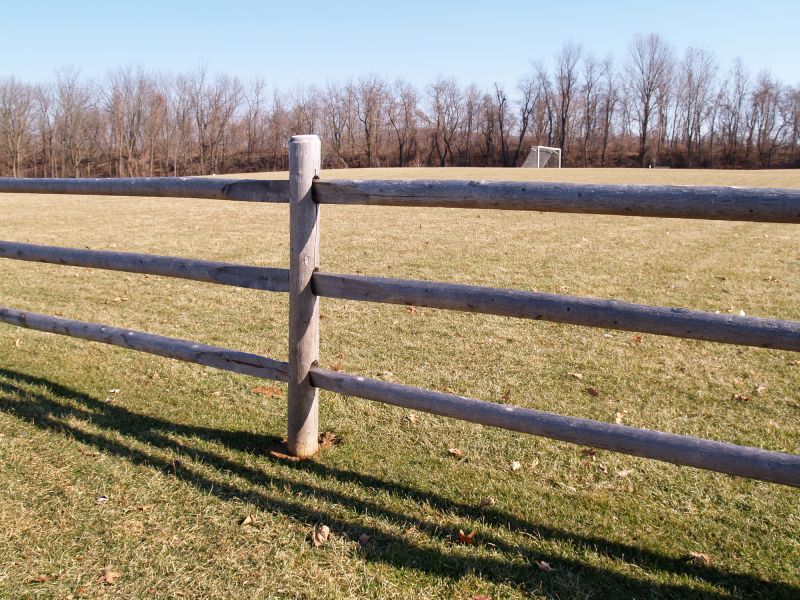
Fall provides cooler temperatures and dry conditions for optimal installation.
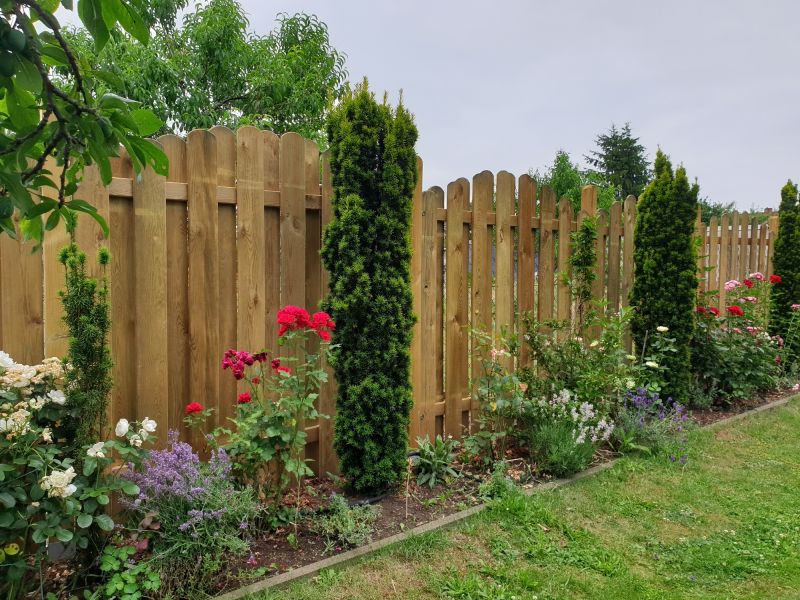
Summer offers longer days but requires attention to heat and hydration.
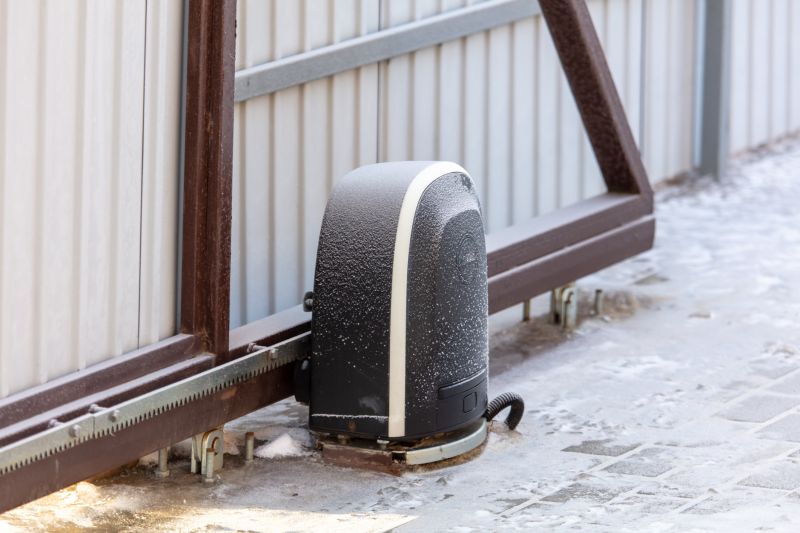
Winter is generally less suitable due to cold and potential snow delays.
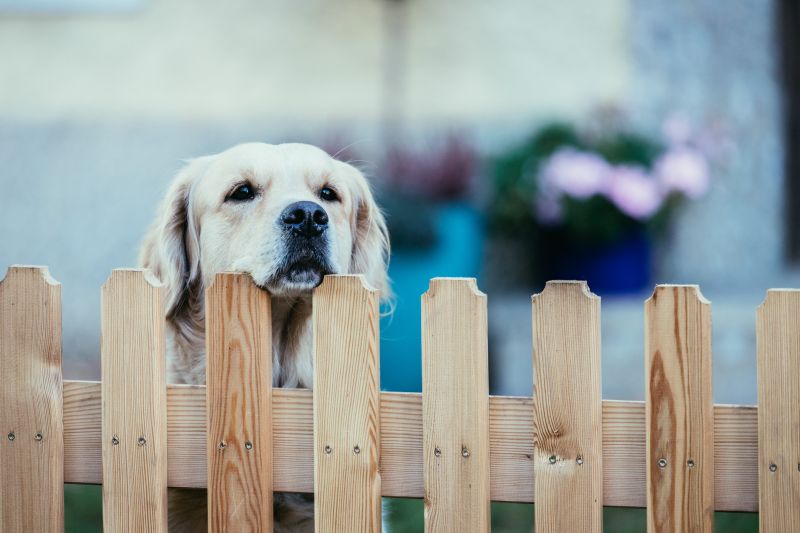
Planning ahead for the best season can ensure a smoother process.
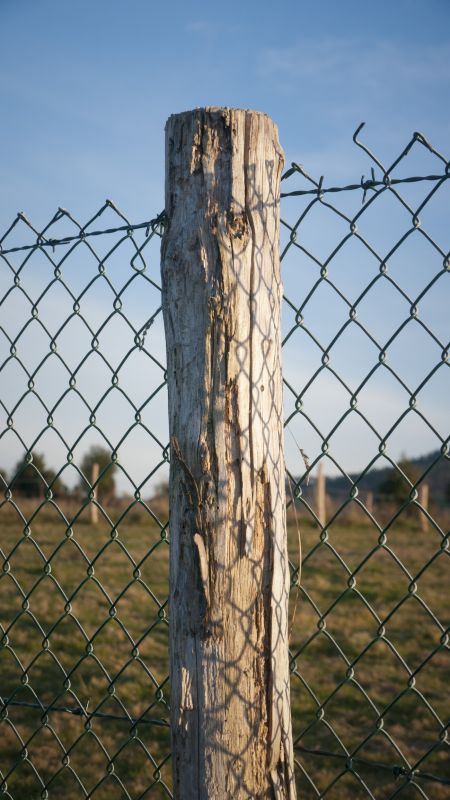
Extreme temperatures can affect the longevity and stability of fencing materials.
| Season | Advantages |
|---|---|
| Spring | Moderate weather, longer days, ideal for installation |
| Summer | Extended daylight, quick project completion, but watch for heat |
| Fall | Cooler temperatures, dry conditions, good for setup |
| Winter | Less suitable due to cold, snow, and short days |
Selecting the appropriate time for dog fence installation can improve the quality and longevity of the fence. Proper timing ensures weather conditions support efficient work and optimal material performance. Consulting with a professional can help determine the best season based on local climate patterns and project scope.
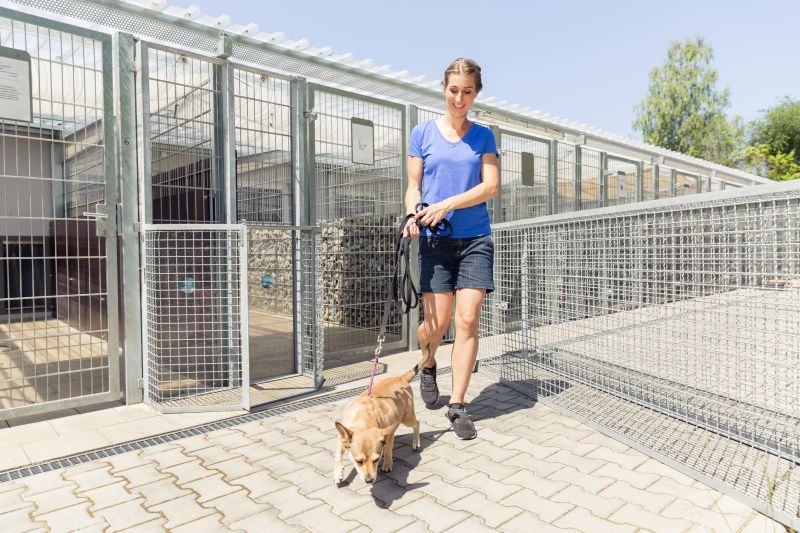
Spring offers ideal conditions for durable fence construction.
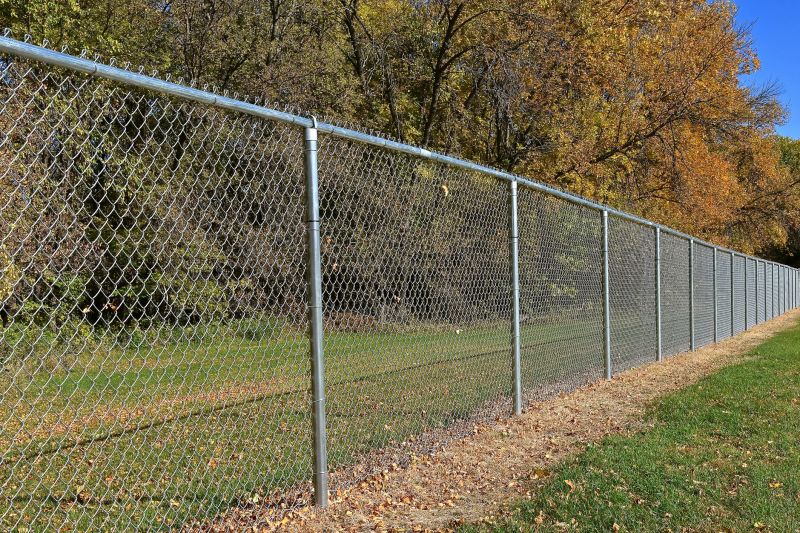
Fall's cooler weather supports efficient installation before winter.
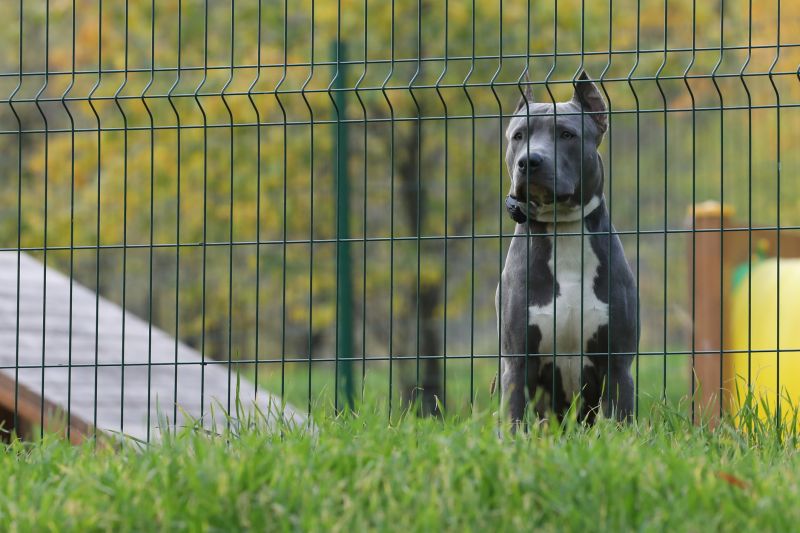
Summer provides long days but requires hydration and shade considerations.
Winter is generally less suitable due to weather constraints.
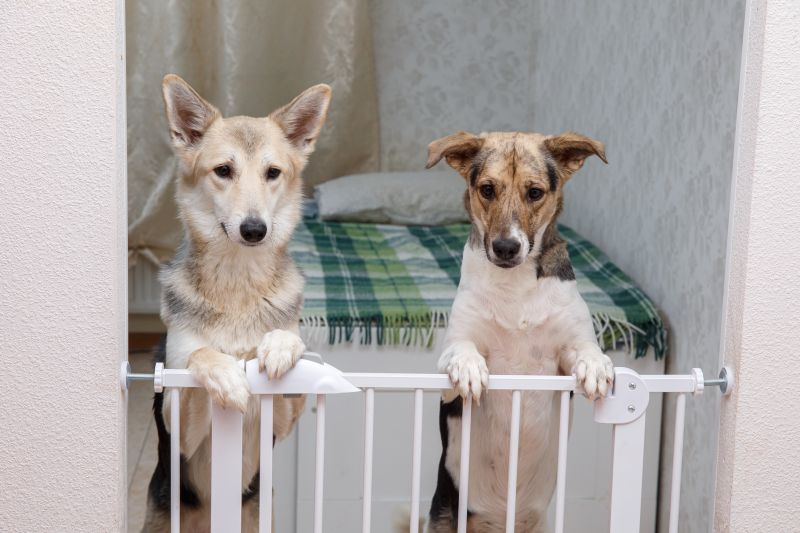
Little measurements that prevent headaches on Dog Fence Installations day.
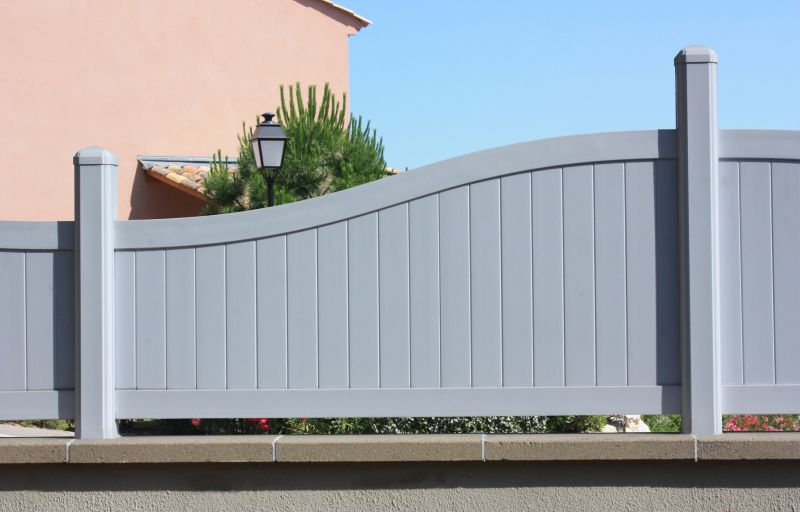
A 60-second routine that keeps Dog Fence Installations looking new.
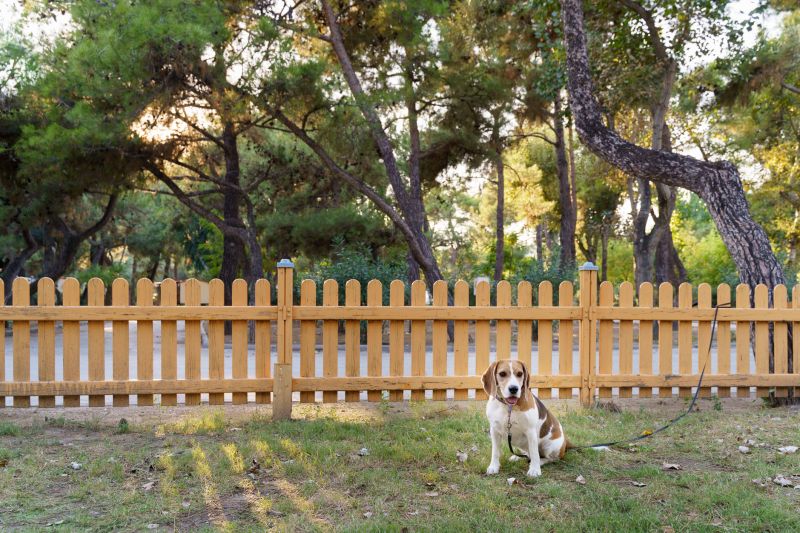
A frequent mistake in Dog Fence Installations and how to dodge it.
Small tweaks to make Dog Fence Installations safer and easier to use.
Interested in installing a dog fence? Filling out the contact form can provide tailored advice on the best timing and options for specific needs. Proper planning ensures a secure and long-lasting containment solution for pets.